“Emma” by Jane Austen is set in Highbury, England, in the early 19th century. “Emma” is centred around our main protagonist, Emma Woodhouse, a precocious and headstrong young woman who is adamant that she will never marry.
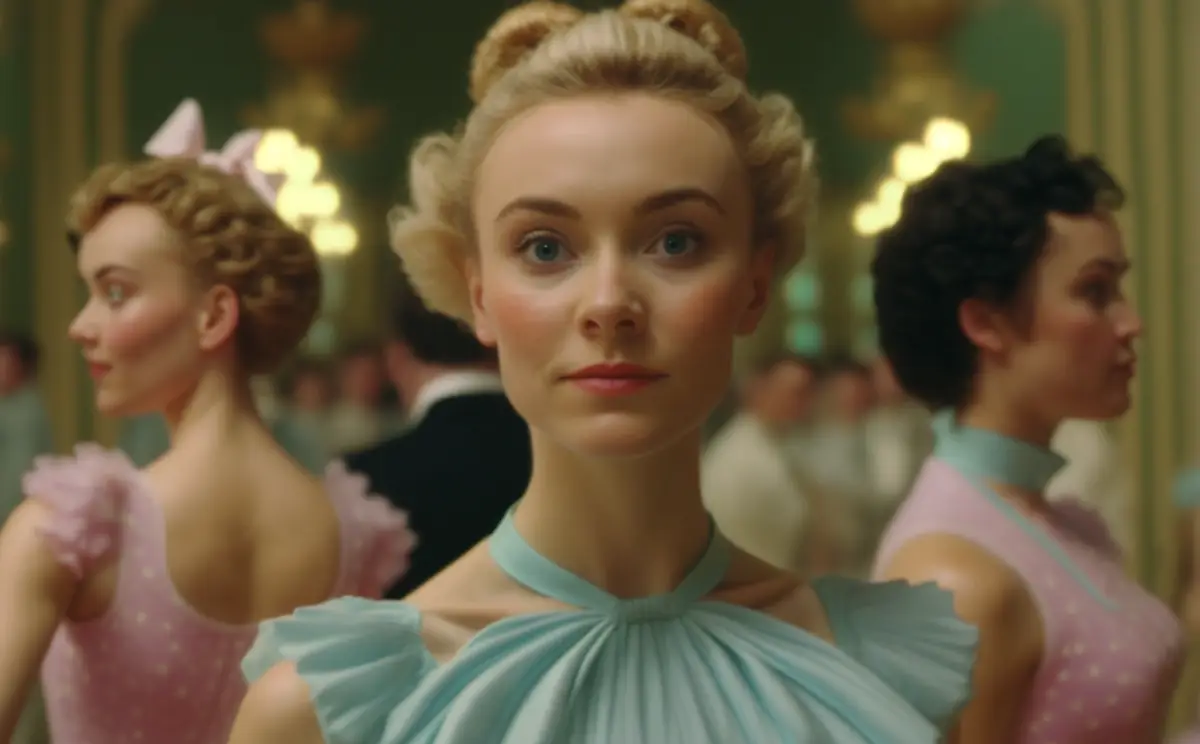

Plot Overview
Emma Woodhouse sees herself as a matchmaker. After matching the town’s widow, Mr Weston, to her old governess and dear friend, Mrs Weston (referred to as Miss Taylor before her marriage), after a long time spent contemplating and after many reprimands from Mr Knightley, Emma decides that she will make one last match before she gives up matchmaking for good. Emma decides to match her new dear friend Harriet as she is convinced that Harriet deserves a gentleman, a man of high society, so she sets her eyes on a man perfect for Harriet and begins her schemes. Except this time, she greatly overestimates her matchmaking abilities, causing a lot of people to be hurt, including her closest and dear friend, Harriet.
Character Analysis
Emma Woodhouse is handsome, clever, rich, and has a comfortable home and happy disposition, but most importantly, Emma is a strong-willed young woman. Throughout the novel, Emma is adamant that she will never marry, even refusing a proposal from a friend. Emma is twenty years old. At the start of the novel, Emma is supremely self-confident. She believes that she knows best, and this leads her to believe that she should matchmake and meddle with people’s feelings. Emma is a jealous character. She is jealous of Jane Fairfax.
Jane Fairfax is a reserved, polite and very beautiful character. Jane Fairfax is a beautiful, accomplished and well-educated young woman, Jane is an extremely talented musician, being the best pianoforte player in all of Highbury. Jane is a self-made character, being orphaned at such a young age. Jane quickly realises that she has to look after herself. Emma has always been the most interesting in her little sphere of close acquaintances, but when Jane enters the picture, Emma feels jealous as she isn’t the most interesting anymore. Unlike Emma, who comes from a well-off family, Jane Fairfax is an orphan. Jane is forced to seek a post as a governess because she doesn’t have any money of her own.
Mr. Knightley is a kind and committed person who exhibits good judgement, high moral character, and maturity. Mr Knightly is kind and caring to the Bates, sending his last apples to Jane, using his carriage to bring Jane and Miss Bates to the Cole’s dinner, offering to run errands for Miss Bates, and even dances with Harriet to rescue her from Mr Elton. Mr Knightley served as Emma’s mentor and moral guide, being only one of the few people who could see Emma’s faults. Throughout the novel, Mr Knightley points out her mistakes, like her neglect of Jane Fairfax and Miss Bates and her cruel comment that she made to Miss Bates when they made a journey to Box Hill. Harriet is beautiful, well-mannered and smart. Harriet is Mrs Goddard’s star pupil in her academy. Harriet is also easily led by others, especially by Emma.
Thematic Exploration
“Emma” explores many themes throughout the novel, such as Marriage and Social Status. A number of marriages occur in the novel. The novel starts with Mrs. Weston, Emma’s old governess, and Mr. Weston, the town's widow, getting married. Social status was determined by many things, such as family background, reputation, wealth and marriage. The rich control social status situations, the social climbers attempt to seem rich and important, and the poor are at the mercy of the rich.
This method of social status was especially crucial to women, especially to characters like Jane Fairfax, who were forced to take jobs as governesses as they didn’t have the social status or money to survive. They relied on marriage. The relationship between marriage and social status creates hardship for other characters. Frank Churchill must hide his engagement from Jane Fairfax as his aunt would disapprove of her social status. The unmarried Miss Bates, who is Jane’s auntie, is threatened with poverty as she has no husband to take care of her or her mother, Mrs Bates. The novel also deep dives into the themes of the confined nature of Women’s Existence. Emma is an extremely smart character, and yet the only way she can use her intelligence is to match her friends. Other women in the novel's pastimes are social visits, charity visits, music and art, which is what women were only seen fit for.
Women were wasting their intelligence by being confined to these hobbies and social gatherings every day. Women back in the early nineteenth century had so much more to live for, and yet they couldn’t explore their intelligence. Isabella, Emma’s older sister, is the only mother focused on in the story. Isabella's portrayal suggests that a mother's life offers women little use of their intelligence. Marriage in Emma’s world offers women a chance to exert their power and change their lifestyles. Marriage was an agent of change. Marriage wasn’t just about love, though it was about money, family, land, and social status. As I mentioned above, this was one of the reasons Frank and Jane had to hide their marriage.
Personal Evaluation
Many people think Emma is spoilt and vain, which is true in some instances, but that’s not all. Emma is also intelligent and creative, drawing delicate portraits. Emma is also self-assured, with innate kindness that allows her humility to grow and blossom over the course of the novel. Emma has flaws, and she makes a lot of mistakes throughout the novel, playing with people's hearts, hurting her friend Harriet and insulting people to their faces, but these flaws and mistakes allow Emma to grow as a person.
I thoroughly enjoyed the themes explored in the novel. These themes showed what life was like for women in the early nineteenth century and how difficult it was for people who weren’t high in social status. I especially loved the characters in Emma. I was particularly drawn to the character Jane, who had to hide her relationship from the world because of her status. She was denied the chance to get married to the man she loved because of Frank’s aunt. It didn’t matter that they were in love. All that mattered was social status, family situation and wealth, which is what I find truly heartbreaking.
Articles
- 29.11.23
Emma
“Emma” by Jane Austen is set in Highbury, England, in the early 19th century. “Emma” is centred around our main protagonist, Emma Woodhouse, a…  28.11.23
Books I want to read before years end*
The year’s end nears, and the days slowly grow shorter and colder. I thought I’d share with you all the books I’m avidly excited… 26.11.23
My Favourite Books
It’s hard to define what makes a favourite book, as it is different for everyone. For me, a book deemed ‘my favourite’ is a… 24.11.23
Misery
This blog review of Misery explores the plot, the characters, the themes and the writing style of the novel, all of which make “Misery”…